From restoration ecologists to community scientists to student leaders, connect with experts right from your classroom by exploring our recorded webinars.
A national movement of students, teachers, and school communities enhancing and stewarding nature on their school grounds
Overview

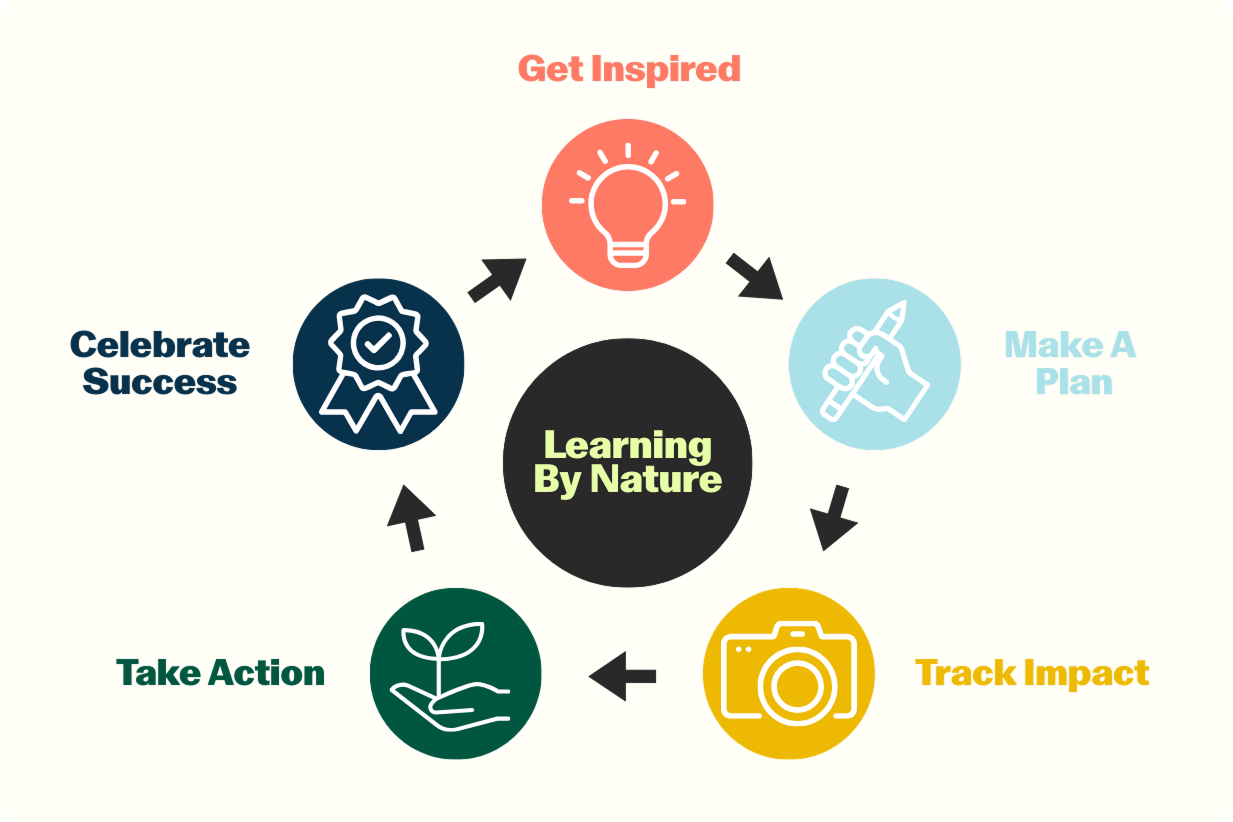
Learning by Nature is a growing network of school communities tracking, enhancing, and stewarding nature on their school grounds.
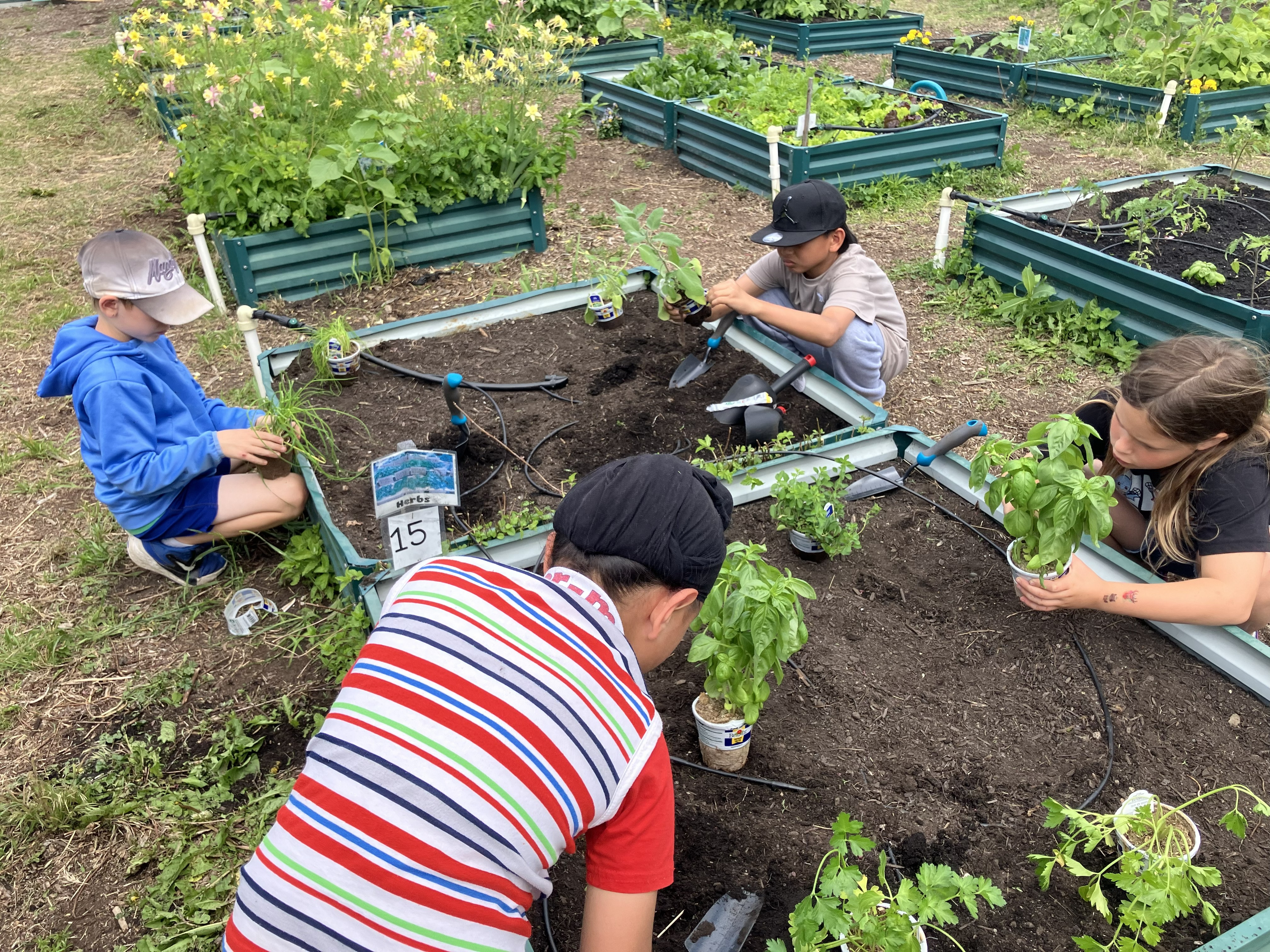
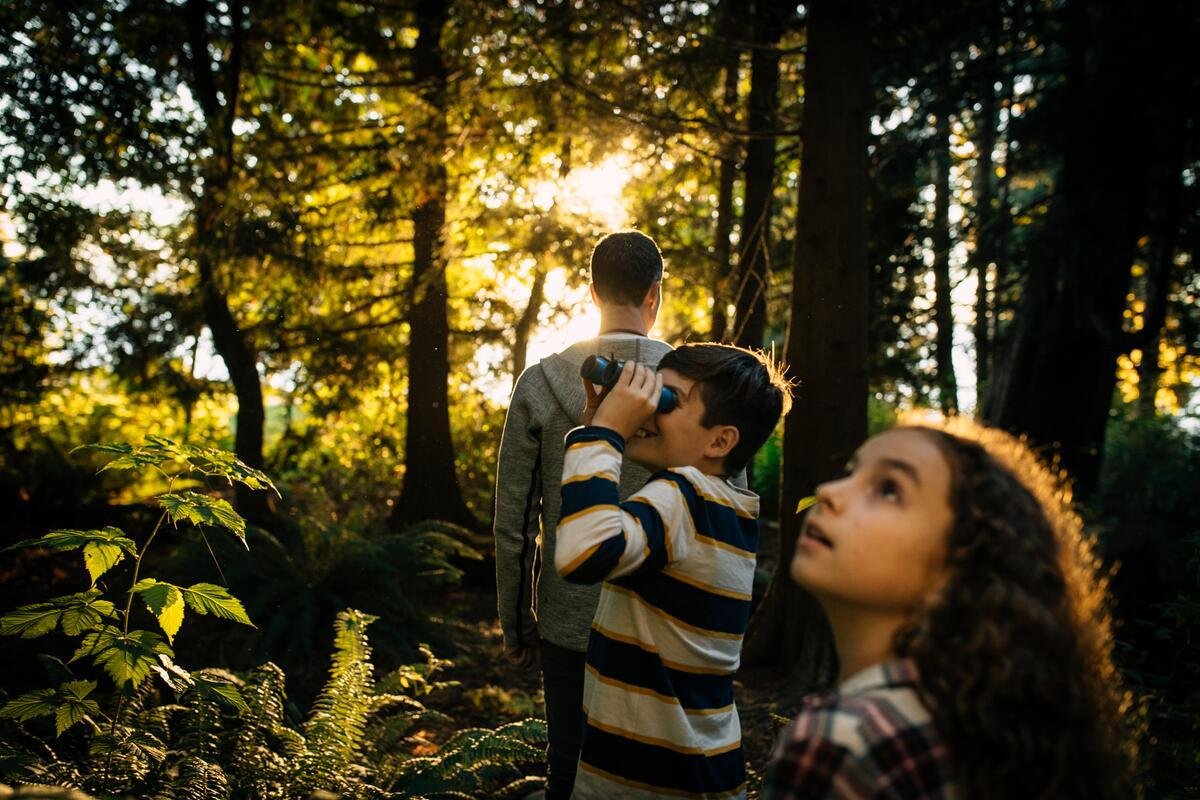
By supporting projects that enhance school ground biodiversity, we are providing opportunities for students to learn about nature, in nature, every day. Learning by Nature empowers students, educators, and communities across Canada to connect with the outdoors, take meaningful climate and biodiversity action, and learn from Indigenous-led stewardship.
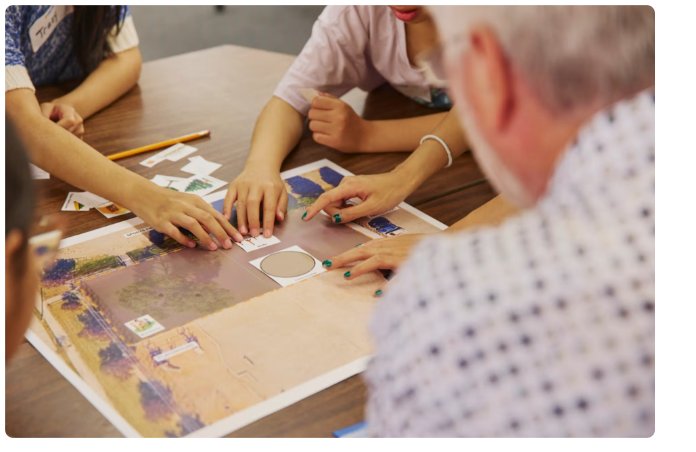

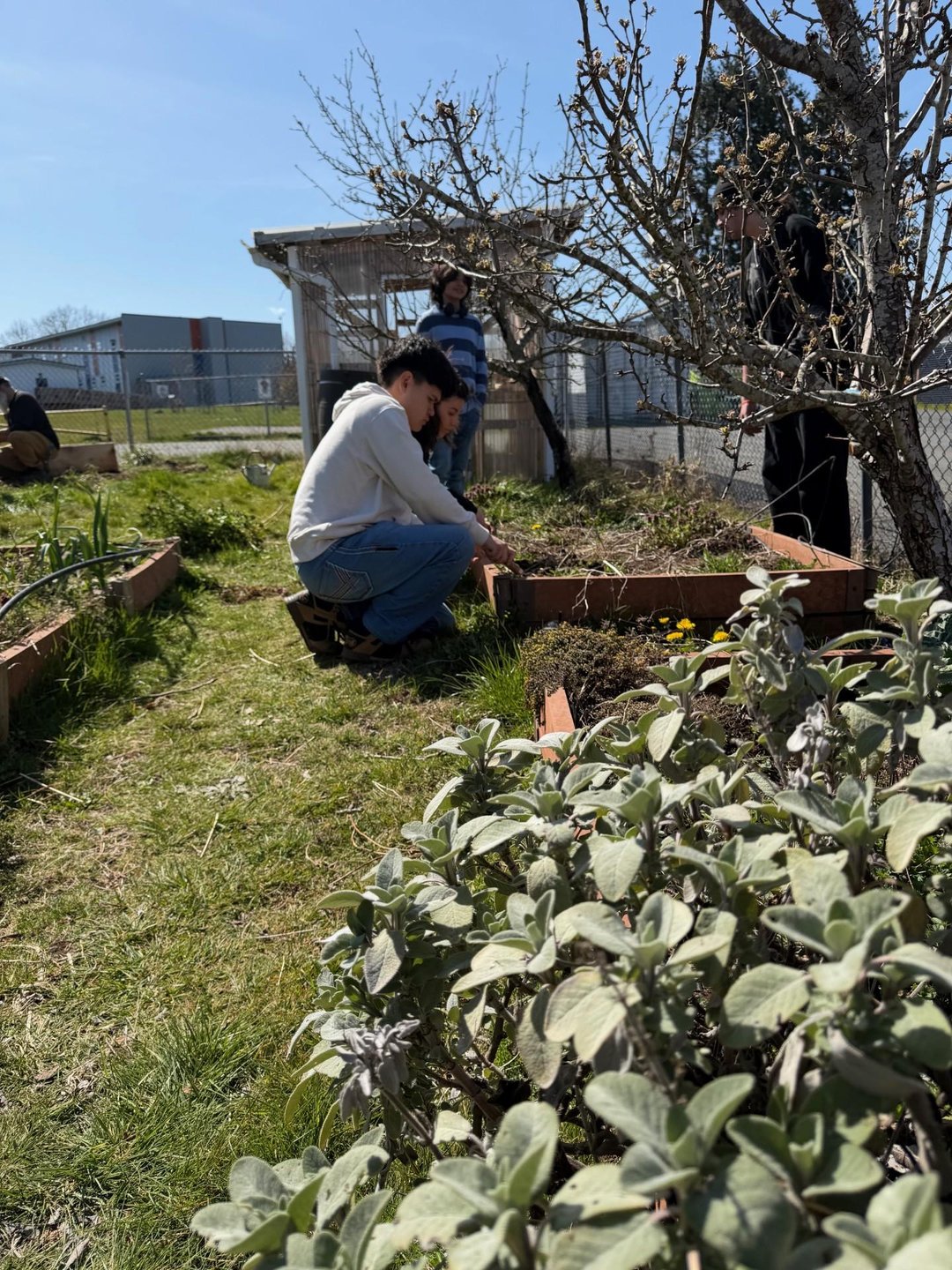
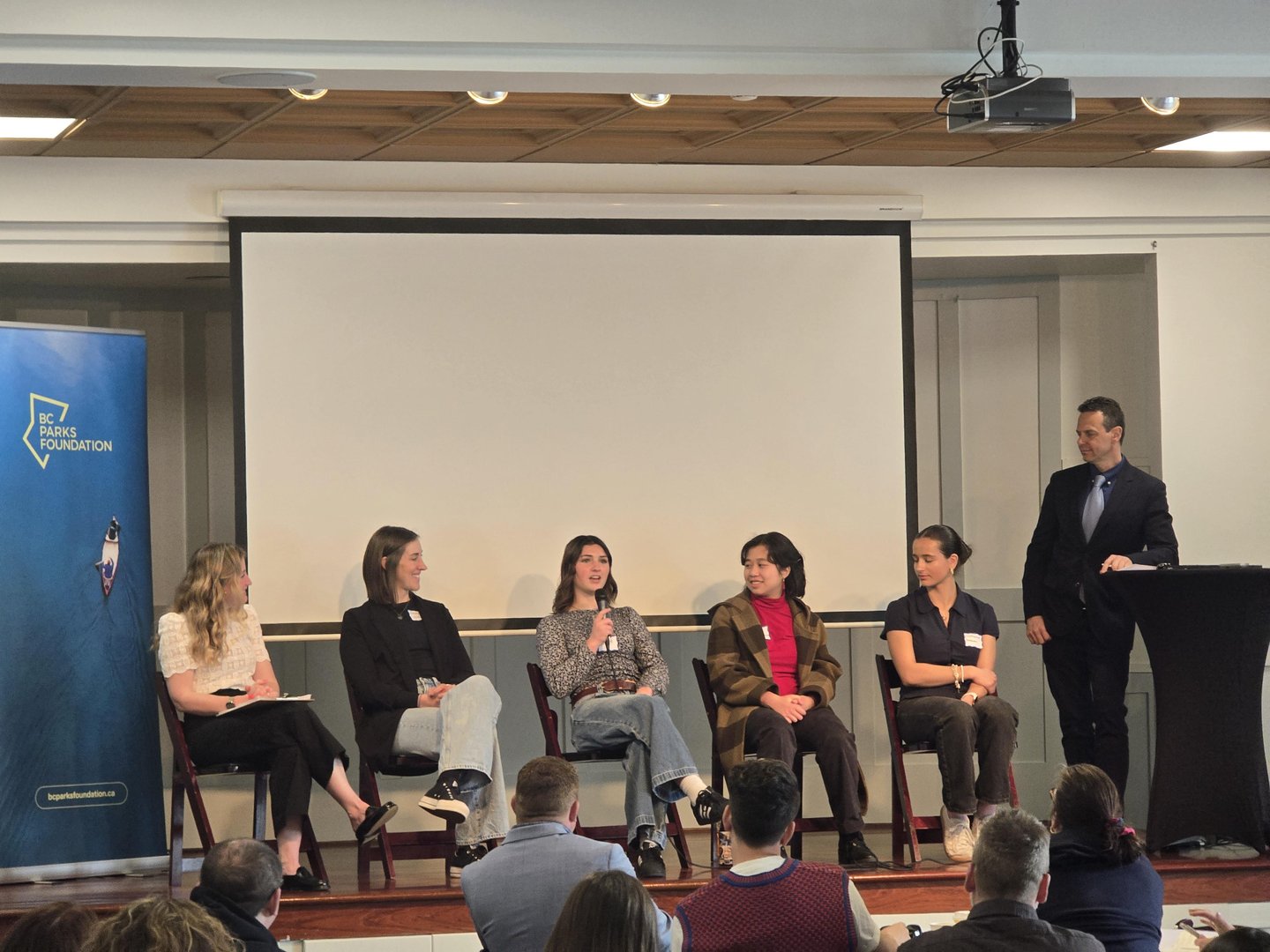
Canadian K-12 schools can submit a Student Project plan for the opportunity to receive $1000 in project funding. Where the number of eligible submissions exceeds available funding, schools will be selected through a random allocation process.
Eligible items include:
• Habitat enhancements (e.g. bat boxes, bughotels, bird nesting boxes)
• Tools (e.g. spades, pocket microscopes, magnifying glasses, technology)
• Plants and seeds
Applications are open Oct 1-Nov 30, 2026. Projects must be completed by June 15, 2027.
For project inspiration, check out our Impact Map above that displays previously funded Student Projects!

To empower students, Learning by Nature offers two outcome-linked student workbooks, one designed for ages 6-12 and another for ages 13-18. The workbooks are designed to be flexible guides, whether you are installing a single birdhouse, planting a small pollinator garden, or transforming your entire school ground.
Each workbook contains 10-15 activities that help students connect to nature, improve biodiversity on their school ground, and take real action on climate change as a youth leader. Along the way, they’ll learn about examples of Indigenous-led conservation and see how caring for nature can support their health and the health of planet.